
AI dashcam for buses and commercial vehicles
A 4G dual-lens AI dashcam mounted at the centre of the windshield. The road lens runs ADAS, the cabin lens runs driver monitoring, and every risky event is sent to your fleet dashboard with a video clip.
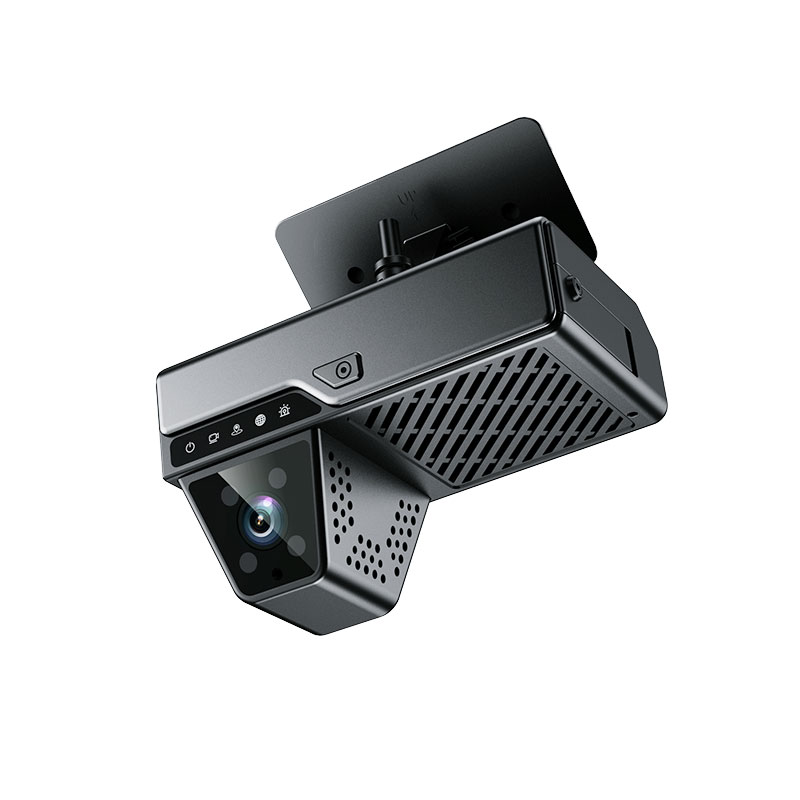
Key facts
- Cameras
- 1080p road lens + 1080p cabin lens in one unit
- AI
- ADAS, DMS and driver face recognition (configured per order)
- Connectivity
- 4G, GPS, Wi-Fi
- Storage
- Dual TF (memory) cards
- In-cab alerts
- Built-in 3 W speaker for voice alerts
- Add-on cameras
- Up to 2 (blind spot, gangway or reversing)
- Mounting
- Windshield, top centre
- For
- Intercity, staff and school buses, coaches and trucks
Features
- Dual 1080p lensesRoad-facing and driver-facing cameras in one windshield unit.
- ADAS + DMS on the deviceCollision, lane, headway, drowsiness, phone use and smoking alerts without depending on signal.
- In-cab voice alertsA built-in speaker warns the driver the moment a risk is detected.
- Live video & video on requestView the road and cabin live over 4G, or pull footage from any trip.
- GPS & route playbackEvery clip is tagged with location and speed for evidence and coaching.
- Add-on camerasConnect up to two extra cameras for blind spots, the cabin or reversing.
- Dual TF card storageRedundant on-board recording for complete evidence.
- SOS button supportDrivers can raise an emergency alarm in one press.
How it works
- The dashcam records the road and the driver continuously.
- On-device AI detects risk events in real time.
- The driver hears a voice alert immediately.
- The event clip is uploaded over 4G to the AirFi fleet dashboard.
- Supervisors review clips and coach drivers.
What is an AI dashcam for buses?
An AI dashcam for buses is a windshield camera that analyses video on the vehicle instead of only recording it. One lens watches the road and one watches the driver. When it detects a risk, it warns the driver by voice at that moment and sends the event, with a short video clip, location and speed, to the operator’s fleet dashboard.
Road alerts (ADAS)
- Forward collision warning: closing too fast on the vehicle ahead
- Headway monitoring: following distance too short to react
- Lane departure warning: drifting out of lane without indicating
- Pedestrian collision warning: a person in the path of the bus
- Overspeed: above the limit configured for the route
Driver alerts (DMS)
- Drowsiness: long eye closures and heavy blinking
- Fatigue: repeated yawning on long night routes
- Distraction: eyes off the road for too long
- Mobile phone use while driving
- Smoking in the driver’s cab
- Driver face verification, to confirm the authorised driver (optional)
Camera configurations for buses
- 2 lenses (road + driver): driver safety on any bus, the usual starting point
- 2 lenses + gangway camera: intercity sleeper and seater coaches, school buses
- 2 lenses + left and right blind-spot cameras: city and staff buses in traffic
- 2 lenses + reversing camera: depot and campus manoeuvring
- More than two extra cameras recording all day: an MDVR is the better fit
AI dashcam vs normal dashcam vs GPS tracker
- GPS tracker: shows where the bus is, its speed and its route. No video, no view of the driver.
- Normal dashcam: records the road to a memory card. Evidence after an incident, if someone collects it. No alerts.
- AI dashcam: records the road and the driver, warns the driver in real time, uploads event clips over 4G, and gives live video and remote footage.
What the fleet team sees
- Every alert with a video clip, time, GPS location and speed
- Live view of the road and cabin cameras on request
- Footage from past trips, retrieved remotely
- Route playback alongside the video
- Trends by driver, route and shift for coaching
Why bus operators fit AI dashcams
- Night routes: fatigue is caught while the bus is moving, not after an incident
- Disputes: video shows what happened, and protects drivers who were not at fault
- Supervision: one control room can watch a whole fleet through alerts instead of phone calls
- Coaching: real clips replace guesswork in driver briefings
- Passengers and clients: proof that safety is monitored on every trip
Installation and rollout
AirFi surveys the vehicles, installs and calibrates each dashcam at your depot, briefs drivers, and connects every unit to the fleet dashboard. Most operators start with a pilot on a few buses, agree alert settings, then fit the rest of the fleet. AirFi systems run on 4,000+ buses for 550+ clients across 24 states.
Frequently asked questions
What is an AI dashcam?
An AI dashcam analyses video on the vehicle instead of only recording it. It watches the road and the driver and warns in real time about collisions, lane departure, drowsiness, distraction and phone use.
Does the AI dashcam work without mobile signal?
Yes. Detection and voice alerts run on the device. Clips are stored on the memory cards and uploaded when the 4G connection returns.
Can I add more cameras?
Yes. Up to two add-on cameras can be connected to the dashcam for blind-spot, cabin or reversing views.
Is it suitable for buses, trucks and school buses?
Yes. AirFi installs AI dashcams on intercity coaches, staff and school buses and commercial trucks.
What is the difference between ADAS and DMS in a dashcam?
ADAS uses the road-facing lens to warn about collision risk, short following distance, lane departure, pedestrians and overspeed. DMS uses the driver-facing lens to warn about drowsiness, yawning, distraction, phone use and smoking.
Can an AI dashcam detect a sleepy bus driver?
Yes. The driver-facing lens tracks eye closure, yawning and head position, and plays a voice alert in the cab when it detects drowsiness. The event and a video clip are sent to the fleet team.
Can I watch the bus live and get old footage remotely?
Yes. Over 4G you can open the road or cabin camera live from the fleet dashboard, and request footage from any past trip that is still on the memory cards.
Does an AI dashcam replace GPS tracking?
No. The dashcam’s GPS stamps location and speed on video. A dedicated tracker handles live tracking, trip reports and AIS-140 compliance. Most bus fleets use both on one dashboard.
Does an AI dashcam guarantee that accidents will not happen?
No. It warns the driver and gives the operator evidence and coaching data. It does not brake or steer the bus, and it works best alongside rested drivers, alcohol checks and regular review of alerts.
How is the AI dashcam installed on a bus?
It is mounted high at the centre of the windshield, wired to vehicle power so it starts with the ignition, and calibrated for the camera height and angle. AirFi installs and calibrates every unit it supplies.
Want AI Dashcam on your fleet?
Request a demo →